
"from giant turtles"
400 article(s) found
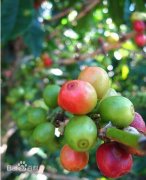
Ecuadorian Aboriginal Covos Fine Coffee at Hasunda Cafe in San Cristobal
Boutique coffee (specialty coffee) is also called specialty coffee selection coffee. It refers to coffee made from a small number of raw beans with excellent taste grown in an ideal geographical environment. Depending on the special soil and climatic conditions in which they grow, they have outstanding flavor. After strict selection and classification, this kind of coffee is hard in texture, rich in taste and stylish.

Taste of Ecuadorian Coffee beans Galapagos Coffee Galapagos Coffee Galapagos Coffee
Ecuador is a country located in South America. Coffee beans are divided into two varieties: Galapagos and Gigante, both of which have the characteristics of large grains and heavy weight. Galapagos (Galapagos) is pronounced in Spanish and we translate it into Cologne in Chinese. It belongs to Ecuador in terms of country, but the coffee it produces basically does not bear the name of Ecuador, because

Description of coffee flavor of Santa Cruz Manor in Ecuador with unique flavor
Ecuador is one of the few countries in South America that produces both Arabica coffee and Robbins coffee. However, as the land suitable for Arabica coffee trees is decreasing, the production of Robbins coffee is gradually increasing. The best Arabica coffee comes from the Andes, especially the Chanchagu Valley (ChanchamgoValley), which is divided into two mountains, from the south to the south.

Ecuadorian Coffee Flavor Taste Manor area introduces boutique coffee beans
In 1535, Flatoma de Belanga and others of Spain stumbled upon the Galapagos Islands. Thomas was born in 1487 on the Duro River in the province of Soria, Spain. He was the fourth bishop of Panama at that time. He was ordered to go to Peru. When his ship set sail from Panama on February 23, under the impact of a strong current, they were taken to the unknown surface of the ocean.

Introduction to San Pedro Manor in Ecuador Coffee Flavor Manor
In 1535, Flatoma de Belanga and others of Spain stumbled upon the Galapagos Islands. Thomas was born in 1487 on the Duro River in the province of Soria, Spain. He was the fourth bishop of Panama at that time. He was ordered to go to Peru. When his ship set sail from Panama on February 23, under the impact of a strong current, they were taken to the unknown surface of the ocean.

Introduction to the Flavor and Taste of Coffee Manor in Ecuador
West coast: including coastal plains and foothills, high in the east and low in the west, generally below 200 meters above sea level, with some hills and low mountains at an altitude of 600 to 700 meters. Belongs to the tropical rain forest climate, the southernmost end begins to transition to the savanna climate. The average annual precipitation decreases from more than 3000 mm to about 500mm from north to south. Central Mountains: the Andes enter Ecuador from Colombia

Ecuador coffee estate producing area flavor taste characteristics boutique coffee beans introduction
The country is divided into three parts: the western coastal area, the central mountainous area and the eastern area. Map of Ecuador Map of Ecuador Western coast: including coastal plains and foothills, east high west low, generally below 200 meters above sea level, there are some hills and low mountains 600~700 meters above sea level. Tropical rain forest climate, the southernmost start to transition to a savanna climate. Average annual precipitation from north to south 3
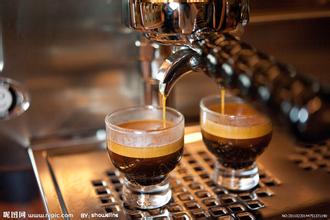
Taste of Ecuadorian Coffee introduction to Galapagos Coffee
The best Ecuadorian coffee is grown on St. Cristobal Island in the Galapagos Islands, which has the unique natural geographical conditions for giving birth to the best quality coffee in the world. A cup of Galapagos coffee, like the beautiful scenery of the Galapagos Islands, is sure to impress you. In the mid-15th century, fishermen fishing in the western Pacific Ocean of South America were in the middle stream.

Introduction to the characteristics of Ecuadorian Coffee Flavor Manor with well-balanced taste
West coast: including coastal plains and foothills, high in the east and low in the west, generally below 200 meters above sea level, with some hills and low mountains at an altitude of 600 to 700 meters. Belongs to the tropical rain forest climate, the southernmost end begins to transition to the savanna climate. The average annual precipitation decreases from more than 3000 mm to about 500mm from north to south. Central Mountains: the Andes enter Ecuador from Colombia

Coffee quality is very good Ecuadorian coffee flavor Manor production characteristics Taste introduction Hasenda coffee
The best Ecuadorian coffee is grown on San Cristobal Island in the Galapagos Islands, where natural conditions are unique to the best coffee houses in the world. A cup of Galapagos coffee, like the beautiful scenery of the Galapagos Islands, is sure to impress you. Midstream fishermen fishing in the Pacific Ocean off western South America in the mid-15th century

Ecuador Coffee Plantation Flavor Taste Features Hasenda Coffee Plantation
When it comes to Ecuadorian coffee, you have to mention the organic coffee of the Galapagos Islands in Ecuador. Galapagos Islands is a famous tourist attraction, declared a world natural heritage by UNESCO, extremely rich in products, organic coffee is one of the unique. Local fertile volcanic soil, micro-climate and other unique ecological environment, coupled with its non-

Introduction of Ecuadorian coffee which can be made into high-quality mixed coffee and suitable for various uses
As coffee is consumed by people all over the world, the world coffee industry is also moving towards mass production, while St. Cristobal, a small and unreliable coffee industry, is in trouble and is likely to be forced to give up without profit. It wasn't until the early 1990s that the Gonzalez family bought Hasunda Coffee Park. Humboldt current (HumboldtCu

A brief introduction to the characteristics of the balanced and refreshing Ecuadorian Galapa Coffee planting Flavor Manor
The main problem facing coffee producers is their efforts to maintain stable quality. The coffee here is generally well-balanced and refreshing, with a unique aroma. Ecuador is one of the few countries in South America that produces both Arabica coffee and Robbins coffee. However, as the land suitable for Arabica coffee trees is decreasing, the yield of Robbins coffee is gradually increasing.

Introduction to the characteristics of Ecuador Fine Coffee Flavor Manor
Ecuador is divided into the western coast, the central mountains, the eastern Amazon River basin and the four central regions of the Galapagos Islands, with diverse climatic conditions. The western coastal plain belongs to the tropical rain forest climate, with an average temperature of 23-25 ℃. The central Andes. The intermountain basin in this area belongs to the savanna climate, and the mountain belongs to the subtropical forest climate, with perennial snow above 4000 meters above sea level. Annual average decline
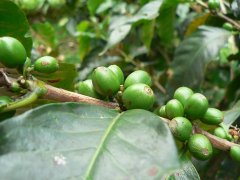
Ecuador Ace Coffee Bean Introduction Best Growing Coffee Conditions Introduction Galapagos Islands
Professional barista exchanges, please pay attention to coffee workshop (Weixin Official Accounts cafe_style) Ecuador is not the main coffee producing country, although located in the coffee belt, but the geographical environment is more suitable for cocoa cultivation. So Ecuadorian beans are not common. Usually the coffee products that survive in these countries are ace grade, like Jamaica Blue Mountains, Puerto Rico Yau.
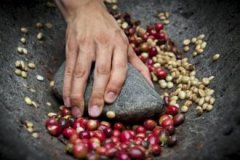
Brief introduction of Santa Cruz Manor Coffee Manor
In the mid-15th century, there were legends about enchanted mysterious islands among fishermen fishing in the western Pacific Ocean of South America. It is said that the islands can sometimes be seen clearly from a distance, but when the ship approaches, it disappears again; sometimes it looks like a galleon, sometimes it shows the shape of a witch. The fishermen called these islands Magic Island and thought it was there.
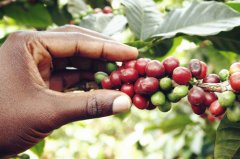
Coffee treasures Galapagos Islands (Galapagos Islands) Island Coffee beans Napoleon
Boutique coffee has a strict grading system. Generally, raw beans are preserved in parchment coffee beans in the form of endocarp after processing, and the endocarp is removed before export. Go through a strict grading process to ensure the uniformity of quality. And it is very important to preserve the protection in the process of transportation, such as the control of temperature and humidity, the control of ventilation, avoiding odor adsorption and so on.

Introduction of Ecuadorian Coffee Bean Flavor producing area in Hasunda Coffee Garden, Ecuador
In 1535, Flatoma de Belanga and others of Spain stumbled upon the Galapagos Islands. Thomas was born in 1487 on the Duro River in the province of Soria, Spain. He was the fourth bishop of Panama at that time. He was ordered to go to Peru. When his ship set sail from Panama on February 23, under the impact of a strong current, they were taken to the unknown surface of the ocean.

Ecuador Santa Cruz Manor Coffee Grind Treatment Variety Features Introduction
The best Ecuadorian coffee is grown on San Cristobal Island in the Galapagos Islands, where natural conditions are unique to the best coffee houses in the world. A cup of Galapagos coffee, like the beautiful scenery of the Galapagos Islands, is sure to impress you. Midstream fishermen fishing in the Pacific Ocean off western South America in the mid-15th century

Ecuadorian coffee flavor taste manor features boutique coffee introduction to Santa Cruz Manor
In 1535, Flatoma de Belanga and others of Spain stumbled upon the Galapagos Islands. Thomas was born in 1487 on the Duro River in the province of Soria, Spain. He was the fourth bishop of Panama at that time. He was ordered to go to Peru. When his ship set sail from Panama on February 23, under the impact of a strong current, they were taken to the unknown surface of the ocean.